Selling in Santa Clara can feel simple from the outside. Homes can attract attention fast, and recent local data points to a seller-leaning market. But a strong sale usually comes from good preparation, not luck. If you want to sell with less stress and fewer surprises, this step-by-step guide will walk you through pricing, prep, disclosures, offers, and closing so you know what to expect. Let’s dive in.
Understand the Santa Clara market
Santa Clara has been operating as a tight market, but that does not mean every home sells the same way. Recent reports show median sale and list prices around the mid-$1.5 million range, low inventory, and short days on market, with one City of Santa Clara analysis showing about 0.60 months of inventory and roughly 10 median days on market. The big takeaway is simple: buyers may move quickly, but presentation and pricing still matter.
That is especially true in Santa Clara because broad county averages can hide important differences. The City of Santa Clara notes that sales from Santa Clara, San Jose, Sunnyvale, Cupertino, Campbell, and Milpitas can all be relevant when comparing homes because they share demand drivers and a regional buyer pool. In other words, the right pricing strategy starts with hyper-local comps, not generic Bay Area averages.
Start with pricing strategy
Before you clean, paint, or schedule photos, start with pricing. Your list price shapes how buyers see your home, how many showings you get, and whether offers come in quickly. In a market where the sold-to-list ratio has recently been above 100% in Santa Clara, pricing still needs to feel credible and competitive.
A smart pricing conversation looks at recent comparable sales, active competition, your home’s condition, and the timeline you want. If you price too high, you risk missing the first wave of serious buyers. If you price strategically, you give yourself a better chance of strong activity right when your listing goes live.
Decide what to fix before listing
Once pricing is in motion, the next step is deciding what to repair and what to leave as-is. California sales often involve repair discussions, pest issues, inspections, and timing considerations, so it helps to think ahead before the home hits the market. This is one of the easiest ways to reduce stress later.
For many sellers, the best pre-listing work is cosmetic. That often includes:
- Decluttering
- Deep cleaning
- Interior touch-up painting
- Minor repairs
- Landscaping
- Staging
- Professional photography
These updates can improve presentation without changing the basic structure of the home. They also tend to be easier to coordinate on a listing timeline.
Check permits before bigger projects
If your prep goes beyond cosmetics, pause before starting work. The City of Santa Clara notes that plan review is often required before a building permit is issued. The city also requires architectural review for certain demolition, new single-family construction, remodel, and addition projects.
That matters because a well-intended upgrade can create delays if approvals are needed. If you are considering larger repairs or improvements before listing, make sure you understand whether the work requires city review. Separating simple prep from permit-triggering work can help you stay on schedule.
Handle lead paint rules if applicable
If your home was built before 1978, lead-based paint disclosure rules apply. Known lead-based paint information and known hazards must be disclosed before the sale, and buyers must be given an opportunity to test. This is an important part of the prep stage, not something to leave until the last minute.
It also matters if you plan to paint, sand, or do repair work before listing. Lead-safe practices are important because renovation and painting work in older homes can create lead dust. If your home falls into this age category, build that into your prep plan early.
Build your disclosure package early
One of the best things you can do as a Santa Clara seller is gather disclosures before the listing goes live. In a market where buyers may write quickly, being organized upfront can help you respond with confidence. It also gives buyers more clarity when they evaluate your home.
California sellers of most single-family residential properties must complete a Transfer Disclosure Statement. Sellers also commonly deal with a Natural Hazard Disclosure Statement, which covers mapped hazard areas such as earthquake fault, flood, fire, and seismic hazard zones. The state also flags topics like Mello-Roos bonds, taxes, and property taxes as important disclosure items.
Your agent also has a role here. California guidance notes that the seller’s agent is responsible for a visual inspection and for disclosing readily observable defects. That is one reason local, detail-oriented representation matters during the listing process.
Gather records before buyers ask
A smoother sale often comes down to timing. It helps to gather permit records, repair history, utility information, and any documents tied to past improvements before your listing launches. When buyers ask questions, quick and clear answers can keep momentum going.
This is especially helpful in Santa Clara because some homes have renovation history that may involve plan review or other city approvals. If those records are easy to access, you can reduce uncertainty during offer review and escrow.
Prepare your home for launch
When pricing and disclosures are underway, it is time to get your home market-ready. This is where your preparation becomes visible to buyers. In a fast-moving market, first impressions still carry a lot of weight.
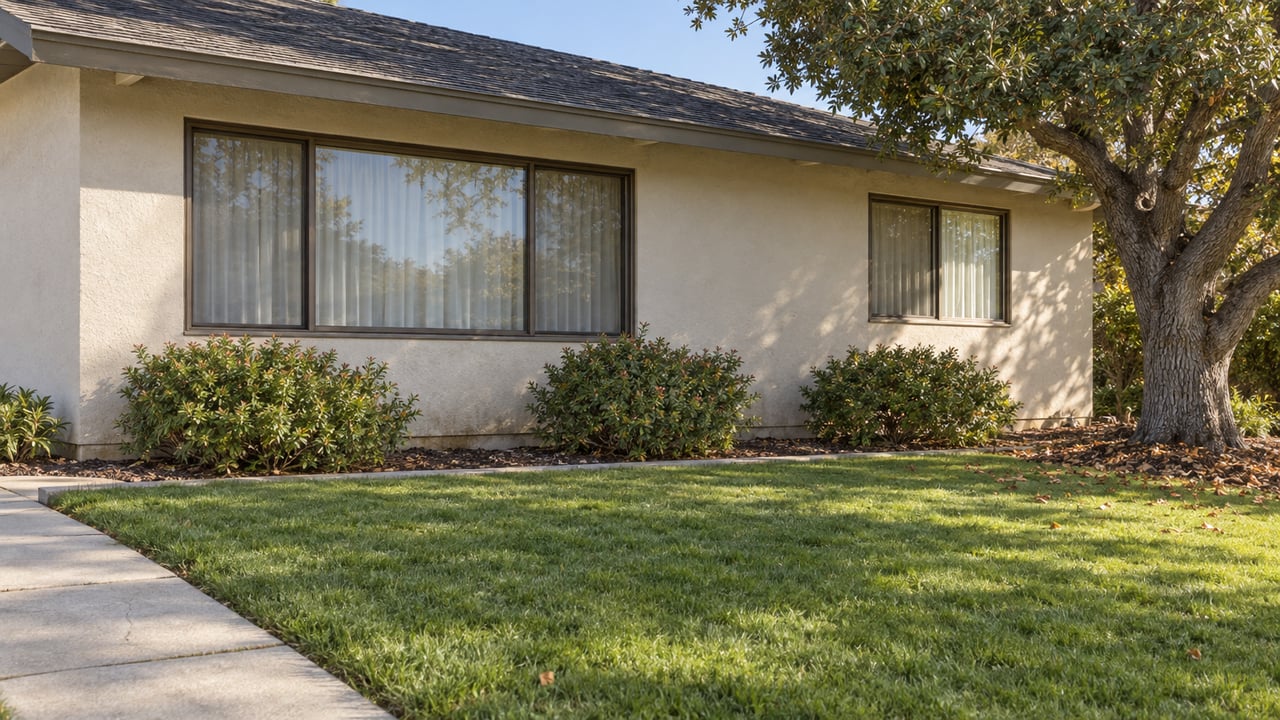
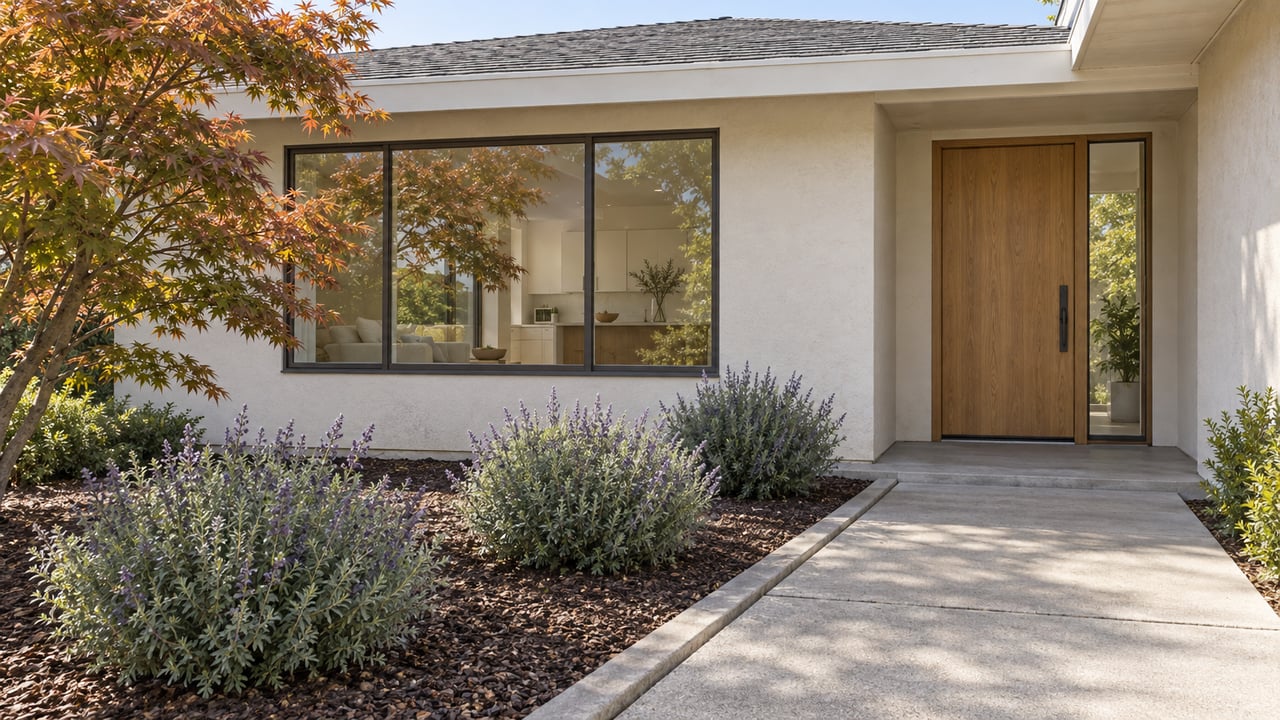
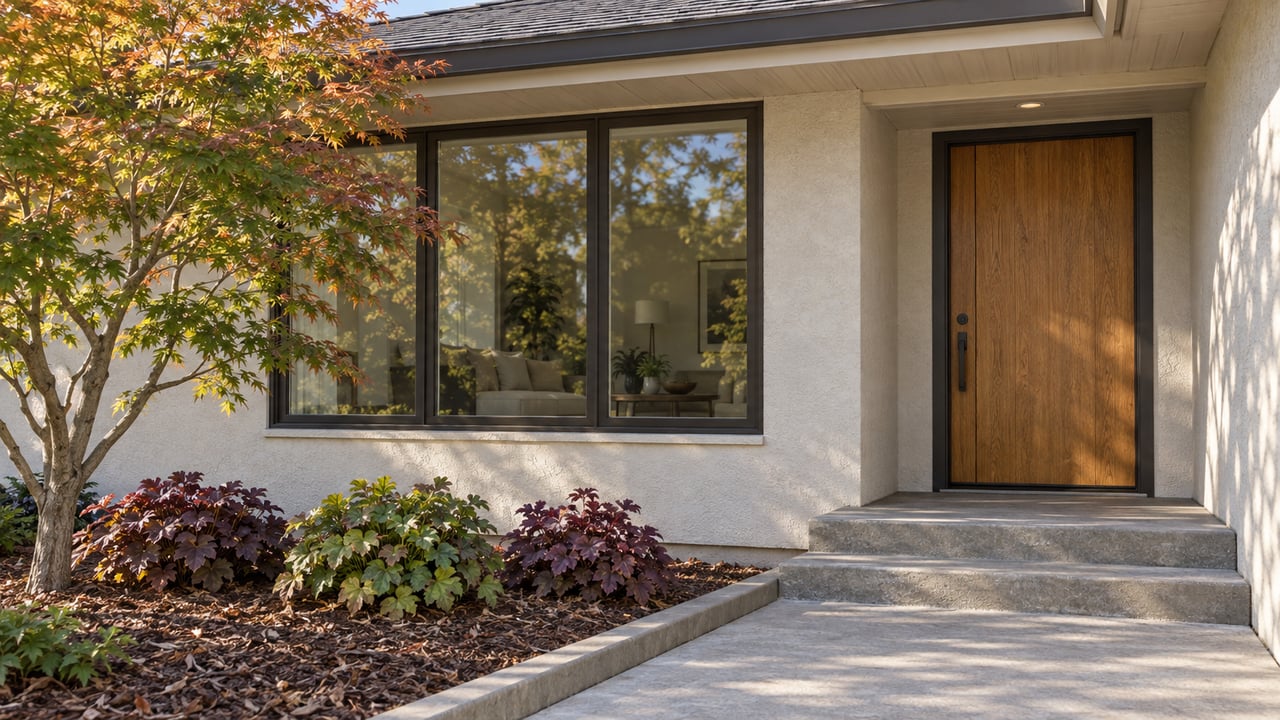
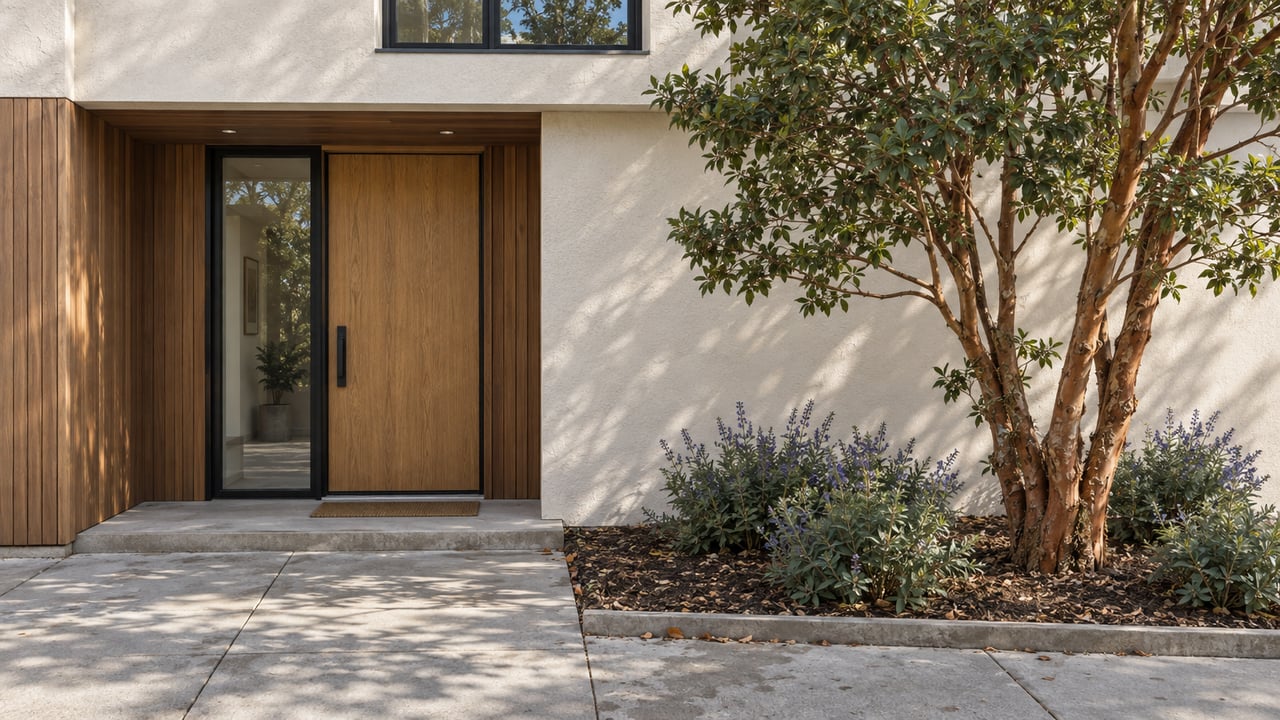
Focus on making the home feel clean, bright, and easy to understand. That usually means removing visual clutter, finishing small repairs, refreshing paint where needed, and making sure landscaping is tidy. Once the home is ready, staging and professional photography help present it well online and in person.
Go live and stay show-ready
After your listing goes live, your job shifts from prep to consistency. You may need to keep the home ready for private showings, open houses, or last-minute requests. In a market with low days on market, activity can build quickly.
Try to keep surfaces clear, lights working, and daily clutter under control. Buyers often make fast decisions in the first days on market, so your goal is to make every showing count. Small lapses in presentation can affect how buyers compare your home to other options.
Review offers carefully
When offers start coming in, it helps to look beyond the top number. Price matters, but it is only one part of the decision. Financing strength, contingencies, timing, and the buyer’s overall terms can all affect how smooth your closing will be.
A clean offer with solid financing and workable timing may be more attractive than a higher offer with more risk. In Santa Clara, where homes can move quickly, sellers often need to review and respond fast once buyers start writing. Good preparation before launch makes this stage much easier.
Open escrow after acceptance
Once you accept an offer, escrow begins. California guidance notes that the seller generally opens escrow, and the transaction moves into a more document-heavy phase. Even if your home found a buyer quickly, this part still takes coordination.
During escrow, the buyer may complete inspections, finalize financing, and work through any remaining contingencies. You will also sign documents and stay in communication with your agent, escrow, and title representatives. A fast market does not remove these steps, so it is best to expect a multi-week process from acceptance to closing.
Know the Santa Clara closing details
Santa Clara sellers should also understand a few local cost and paperwork items. Santa Clara County’s recorder charges a documentary transfer tax of $0.55 per $500 of consideration or value conveyed. The county lists separate city conveyance taxes for San Jose, Palo Alto, and Mountain View, but not for Santa Clara.
The county also requires a Preliminary Change of Ownership Report with sale documents. If that form is missing, there is an additional $20 charge. These are small details, but they are easier to manage when you know about them early.
Understand property tax timing
Property taxes can affect your closing math, so it helps to know the local calendar. Santa Clara County says secured property tax bills are mailed in October and due in two installments on November 1 and February 1. The delinquent dates are December 10 and April 10.
The county assessor also states that supplemental assessments can follow a change in ownership or new construction. Those supplemental tax bills are often mailed within nine months and are usually not prorated in escrow during purchase. If taxes are part of your timing decision, review them early so there are fewer surprises.
Check flood zone and permit issues
If your property is in a Special Flood Hazard Area, or if you are planning major pre-sale improvements, local city rules matter. The City of Santa Clara states that new construction or substantial improvements in an SFHA must comply with flood-damage-prevention codes. The city also points property owners to MapSantaClara’s FEMA Flood Zone layer to check an address’s flood designation.
This does not affect every seller, but it is worth checking if your property or project could fall into that category. It is much easier to address these issues before listing than during escrow.
What a smooth sale really looks like
In Santa Clara, the strongest selling strategy is usually about sequencing. You price against the right comps, decide what prep makes sense, gather disclosures and records early, launch with strong presentation, and stay organized through escrow. That is what helps a fast-moving market work in your favor.
You do not need to do everything at once. You just need a clear order of operations and steady follow-through. When your home is prepared before buyers arrive, you are in a better position to move quickly without feeling rushed.
If you are thinking about selling in Santa Clara and want calm, detail-oriented guidance from pricing through closing, Jesse Kim can help you build a smart plan and keep the process moving.
FAQs
What is the first step to selling a home in Santa Clara?
- The first step is usually a pricing conversation based on hyper-local comparable sales, your home’s condition, and your preferred timeline.
How fast do homes sell in Santa Clara?
- Recent Santa Clara market reports show low inventory and short median days on market, but the full sale still usually takes multiple weeks once escrow, paperwork, walk-through, and recording are included.
What disclosures are required when selling a home in Santa Clara?
- California sellers of most single-family residential properties generally need a Transfer Disclosure Statement, and many sales also include a Natural Hazard Disclosure Statement covering mapped hazard zones.
Do I need permits for pre-sale home improvements in Santa Clara?
- Cosmetic work may not trigger the same review as larger projects, but the City of Santa Clara says plan review is often required before a permit is issued, and some remodels, additions, demolition, or new construction also require architectural review.
What is the documentary transfer tax in Santa Clara County?
- Santa Clara County charges a documentary transfer tax of $0.55 per $500 of consideration or value conveyed for recorded real estate transfers.
Should I accept the highest offer when selling a Santa Clara home?
- Not always, because sellers should also compare financing strength, contingencies, timing, and the overall likelihood of a smooth closing.