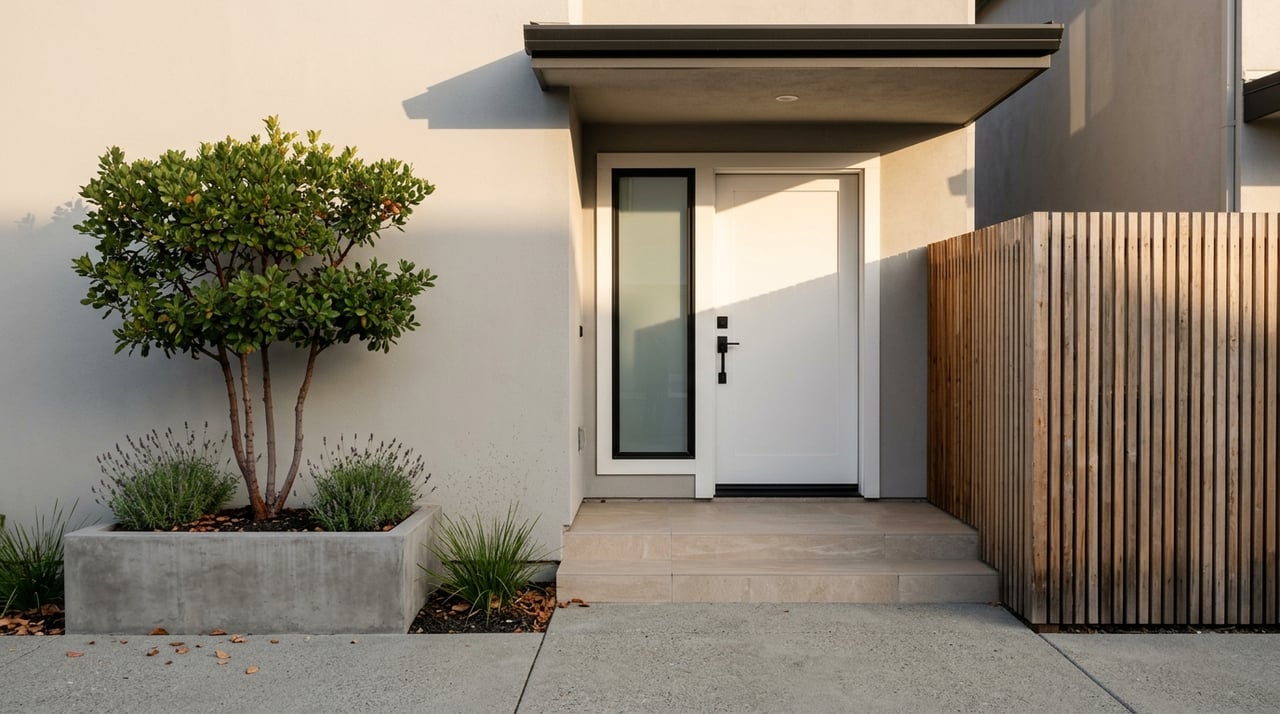
If buying in Mountain View feels like aiming for one of the toughest entry points in the Bay Area, you are not imagining it. For many first-time buyers, condos and townhomes are the most realistic way to own in the city without stretching all the way to detached-home pricing. The good news is that attached homes can offer a smart path in, especially if you look beyond list price and focus on your full monthly cost, HOA health, and commute. Let’s dive in.
Why attached homes matter in Mountain View
Mountain View is an expensive market by any measure. Zillow puts the city’s typical home value at $2,019,929, with a median sale price of $1,840,000. At the same time, current Redfin search data shows a median listing price of about $750,000 for condos and about $1.44 million for townhomes.
That gap is why first-time buyers often start with attached homes. Redfin’s single-story homes page shows a $1.6 million median listing price as a rough detached-home comparison, which helps show how condos and townhomes can lower the buy-in if your goal is to stay in Mountain View.
Mountain View is not one-price city
One of the biggest mistakes first-time buyers make is assuming every part of Mountain View prices the same way. It does not. Zillow neighborhood values on the city page range from about $1.08 million in Moffett Boulevard to about $3.19 million in Saint Francis Acres.
That spread matters because it can change how a condo or townhome fits your budget. In one part of the city, an attached home may feel like the practical entry point. In another, it may still command a premium because of location and convenience.
Condo vs townhome: what changes?
For many buyers, the choice comes down to space, layout, and how much of a detached-home feel you want. Condos in Mountain View tend to be the smaller-footprint option, while townhomes often offer more room and a more house-like setup.
Current condo inventory includes examples like 1-bedroom homes around 551 to 822 square feet, 2-bedroom homes around 936 to 1,236 square feet, and larger 3-bedroom options from about 1,460 to 2,022 square feet. Townhomes are generally larger, with many 2-bedroom layouts around 1,156 to 1,648 square feet and 3-bedroom or 4-bedroom layouts around 1,439 to 1,980 square feet.
When a condo may fit you better
A condo may make sense if you want:
- A lower entry price than many townhomes
- Less interior space to furnish and maintain
- A simpler setup for a busy work schedule
- A location that keeps you close to transit or major commute routes
When a townhome may fit you better
A townhome may be a better match if you want:
- More square footage
- A multi-level layout with more separation of space
- A more private, house-like feel
- Room to grow without jumping to detached-home pricing
Inventory is limited
Attached homes are a real option in Mountain View, but they are not unlimited. Redfin’s current counts show 48 condos and 39 townhouses for sale at the time of the research.
In a high-priced city, that means the right home may not sit for long. If a property checks your budget, layout, and commute boxes, being prepared can matter.
Look past price to monthly cost
List price is important, but it is only one part of the decision. For first-time buyers, the more useful question is often this: what will this home cost you each month once you include housing dues and shared ownership costs?
That is where condos and townhomes can get more nuanced. A lower list price can still lead to a higher monthly payment if HOA dues are significant. On the other hand, those dues may also cover costs that detached-home owners pay separately.
What HOA fees really mean
In California, if you buy a condo or townhome in a common interest development, you automatically become a member of the homeowners association. According to the California Department of Real Estate, CC&Rs define the rights and obligations of owners and the HOA.
HOA budgets generally include fixed costs, operating costs, reserves, administration, and contingency items. In practical terms, that often means your dues may help fund things like insurance, maintenance, landscaping, paving, roofing, and reserves for future repairs.
For many first-time buyers, this is the biggest mental shift. HOA dues are not just an extra bill. They are part of the ownership structure.
Questions to ask about the HOA
Before you buy, it helps to review the documents carefully and ask direct questions such as:
- What does the monthly HOA fee cover?
- How much money is in reserves?
- Is there a recent reserve study?
- Have there been any special assessments?
- Is there deferred maintenance?
- What do the CC&Rs and rules say about parking, pets, storage, rentals, or exterior changes?
The California Department of Real Estate also notes that regular assessments generally cannot increase more than 20% per year without member approval, and special assessments generally cannot exceed 5% of budgeted gross expenses without member approval.
Older communities need extra review
If you are looking at an older conversion project, slow down and review the HOA materials closely. The California Department of Real Estate warns that converted properties may have higher maintenance and repair needs than buyers expect.
That matters because buyers can sometimes underestimate the real cost of an aging building once early developer support ends. A recent budget, reserve study, and any history of special assessments can tell you a lot about the health of the community.
Commute convenience is a major value point
Mountain View’s transit access is one of the strongest reasons attached homes can make sense here. The city says Mountain View is served by VTA bus and light rail, Caltrain commuter rail, MVgo shuttles, and the Mountain View Community Shuttle.
The Mountain View Community Shuttle is free and serves 50 stops. It runs weekdays from 7 a.m. to 7 p.m. and weekends and holidays from 10 a.m. to 6 p.m. MVgo is also free and runs four weekday commute-hour routes connecting the Mountain View Transit Center with North Bayshore, East Whisman, San Antonio, and downtown Mountain View.
Why the transit center matters
VTA’s Mountain View Station page shows connections to Caltrain and the Orange Line, along with 338 parking spaces and 20 bike racks. Caltrain also lists Mountain View connections to VTA routes 21, 40, 51, and 52, the VTA Orange Line, and MVgo shuttle routes A through D.
For a first-time buyer, that can make daily life easier. A home with strong transit access may be worth a little more if it reduces commute stress and gives you more flexibility in how you move around the area.
The real trade-off: control vs convenience
Compared with a detached home, a condo or townhome often shifts some exterior maintenance into the HOA structure. That can be appealing if you want less direct upkeep and a more manageable ownership experience.
The trade-off is that you also accept monthly dues, shared decision-making, and community rules. So the question is usually not whether attached homes are cheap or expensive. It is whether the structure fits how you want to live.
Three filters for first-time buyers
If you want to make a smart decision in Mountain View, keep your search focused on three core filters.
1. Total monthly cost
Do not stop at the list price. Review your expected mortgage payment, HOA dues, insurance responsibilities, and any likely near-term costs tied to the community.
2. HOA health
Read the budget, reserve study, and governing documents during your review period. A lower-priced unit can become much less attractive if the association is underfunded or facing major repairs.
3. Commute convenience
Think about how the home works on an average Tuesday, not just on showing day. Access to Caltrain, VTA, MVgo, or the Community Shuttle may have a real impact on your quality of life.
A practical first step
If you are buying your first home in Mountain View, it helps to compare condos and townhomes side by side instead of assuming one category is always better. In some cases, a condo may give you the best location for your budget. In others, a townhome may offer the space and layout you need without making the leap to detached-home pricing.
The goal is not to find the cheapest option on paper. It is to find the home that gives you a workable monthly cost, a healthy ownership structure, and a daily routine you can actually enjoy.
If you want a calm, step-by-step approach to comparing Mountain View condos and townhomes, Jesse Kim can help you sort through pricing, HOA details, and commute trade-offs with local Bay Area insight.
FAQs
What is the typical price difference between condos and townhomes in Mountain View?
- Current Redfin search data in the research shows a median listing price of about $750,000 for condos and about $1.44 million for townhomes in Mountain View.
What should a first-time buyer review in a Mountain View HOA?
- Review the HOA budget, reserve study, CC&Rs, recent assessments, and any signs of deferred maintenance so you understand both current dues and possible future costs.
How many condos and townhomes are for sale in Mountain View?
- At the time of the research, Redfin showed 48 condos and 39 townhouses for sale in Mountain View.
Why are condos and townhomes popular with first-time buyers in Mountain View?
- They can offer a lower buy-in than many detached homes in Mountain View while also giving buyers access to the city’s transit network and a lower-maintenance ownership setup.
What transit options matter for Mountain View attached-home buyers?
- Mountain View is served by Caltrain, VTA bus and light rail, MVgo shuttles, and the free Mountain View Community Shuttle, which can make daily commuting more manageable depending on location.