Looking for a place that feels quiet, established, and scenic in the middle of Silicon Valley is not easy. If Saratoga is on your radar, you are probably trying to figure out whether the lifestyle justifies the price and whether the town fits the way you want to live day to day. This guide will help you understand Saratoga’s overall feel, housing mix, local amenities, and what daily life is really like so you can decide if it belongs on your shortlist. Let’s dive in.
Saratoga’s Overall Feel
Saratoga is known as a small-town residential community of about 30,000 to 31,000 residents. City messaging emphasizes protecting its semi-rural ambiance and unique character, which helps explain why the city often feels more peaceful and low-key than many other Silicon Valley locations.
If you are hoping for a lively urban setting with constant activity, Saratoga may feel too subdued. The city’s noise standards are designed to preserve a quiet residential environment, so the lifestyle here generally leans calm, private, and home-centered.
Saratoga Village Life
Historic Saratoga Village is the heart of everyday activity in town. Located on Big Basin Way off Highway 9, the Village includes dining, shops, galleries, coffee houses, parks, and trails, giving residents a central place to gather without creating a dense downtown feel.
The city recently adopted Village Design Standards in 2026 to help preserve the area’s historic character. Older design guidance describes the downtown scale as mostly one- and two-story buildings, which adds to the relaxed, small-scale atmosphere many buyers notice right away.
Outdoor Spaces and Local Attractions
One of Saratoga’s biggest lifestyle strengths is its outdoor setting. The city’s Parks Division maintains about 189 acres of city parks and the local trail network, and Saratoga’s community information notes that the city has 14 parks plus numerous trails.
That means your free time can be as active or as relaxed as you want it to be. Whether you enjoy walking, spending time outdoors, or simply having more open space around you, Saratoga offers a setting that feels greener and more spacious than many nearby areas.
Several well-known destinations also shape the local experience, including Hakone Estate and Gardens, Montalvo Arts Center, Heritage Orchard, The Mountain Winery, and Savannah-Chanelle Vineyards. The city’s history connects this landscape to Saratoga’s earlier identity as a town of orchards and vineyards, and you can still feel that influence today.
Getting Around Saratoga
Saratoga tends to be car-oriented for daily life. According to the city’s circulation materials, the only freeway in Saratoga is State Route 85, with access to Interstate 280 and State Route 17 available through local arterials and State Route 9.
Transit does exist through VTA, which provides bus, light rail, paratransit, and regional rail connections throughout Santa Clara County, including Saratoga. Still, most people will likely find that a car makes everyday errands, commuting, and local travel more practical.
Housing in Saratoga
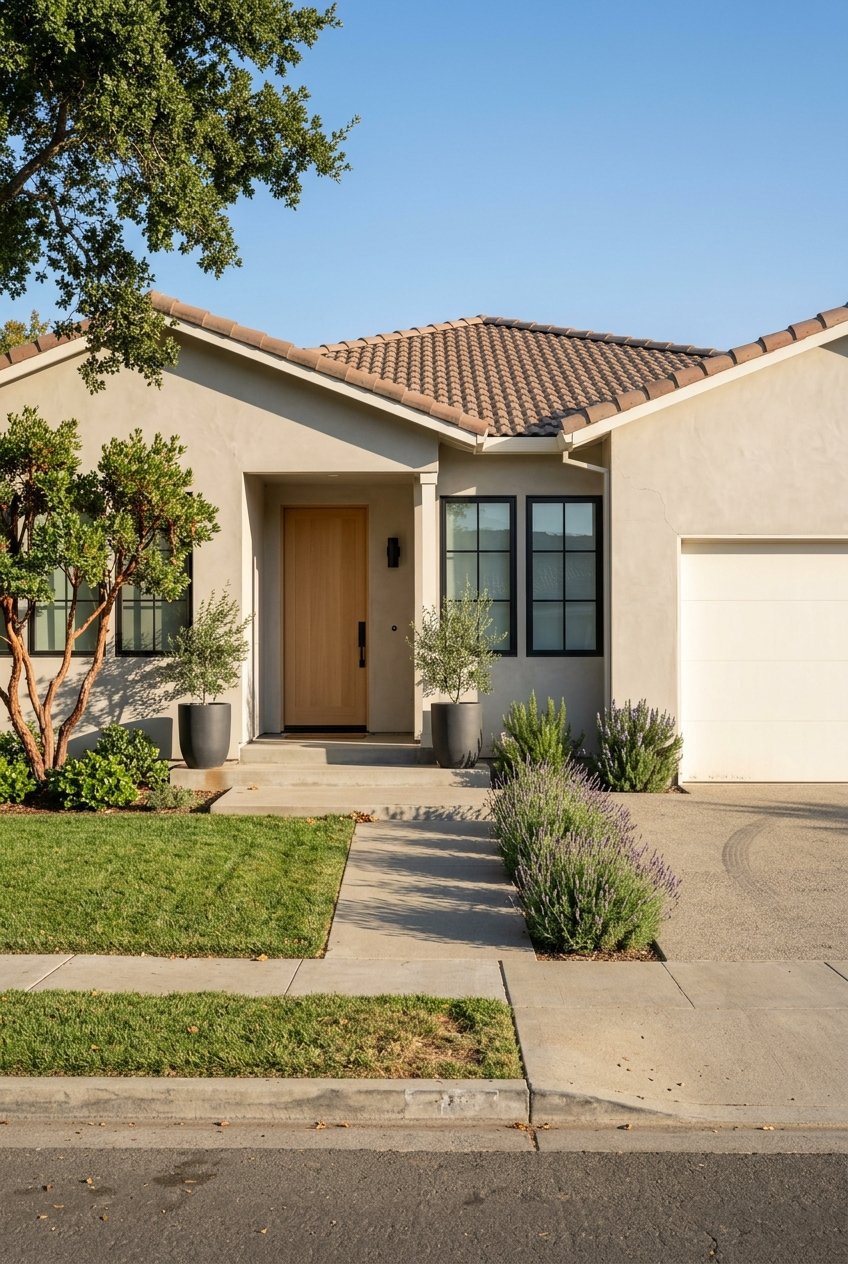
If you picture Saratoga as a community of established homes on larger lots, the housing data supports that impression. The city’s 2023 to 2031 Housing Element shows that 83.8% of homes were single-family detached in 2020, compared with 7.0% single-family attached, 3.4% small multifamily, and 5.8% larger multifamily housing.
In simple terms, Saratoga is much more single-family oriented than condo-heavy. For buyers, that often means an established residential look, more traditional neighborhood patterns, and fewer attached housing options than you might find in other Bay Area communities.
The same city report says most of the housing stock was built between 1960 and 1979, and only 1.8% of current homes were built since 2010. That helps explain why Saratoga often feels mature and settled rather than newly developed.
What Homes Feel Like Day to Day
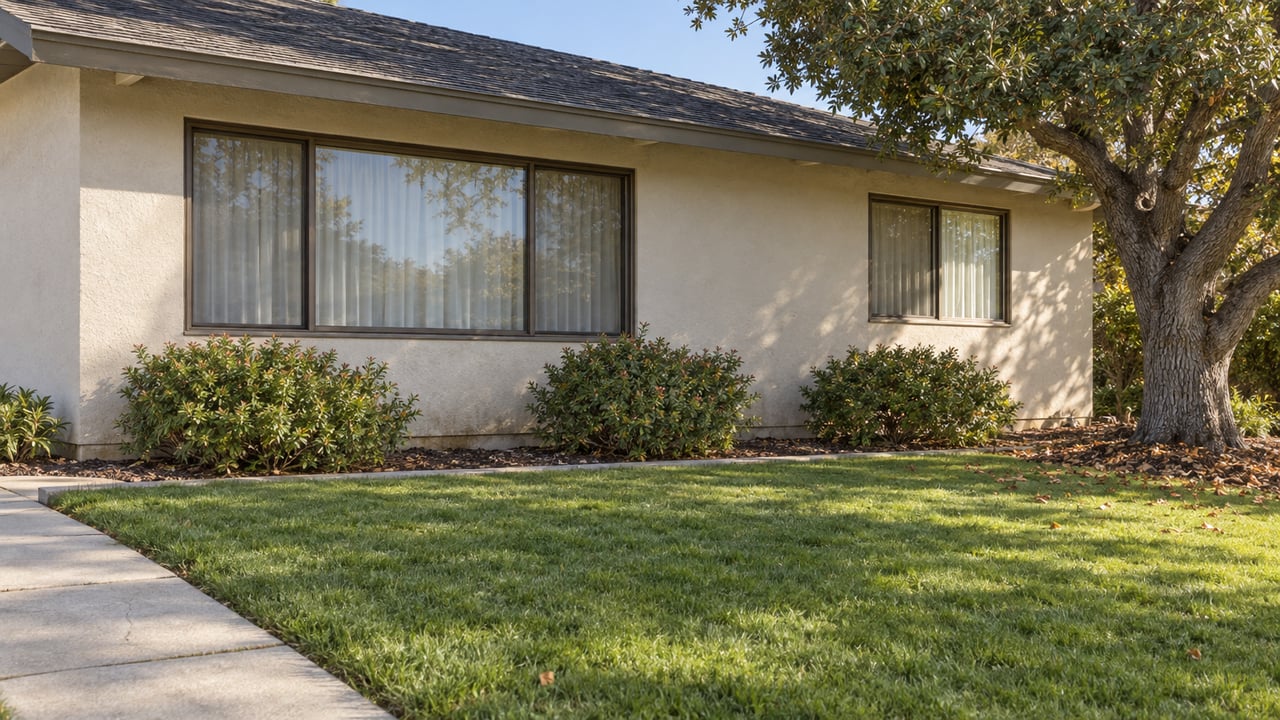
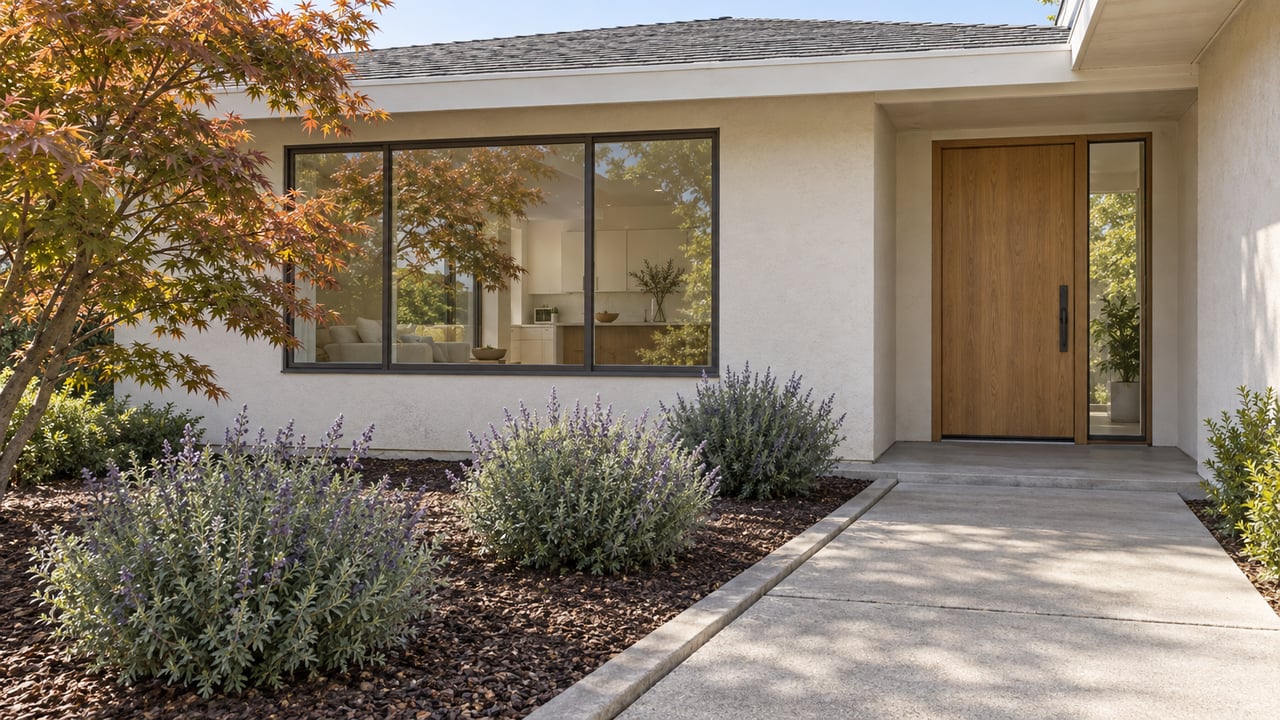
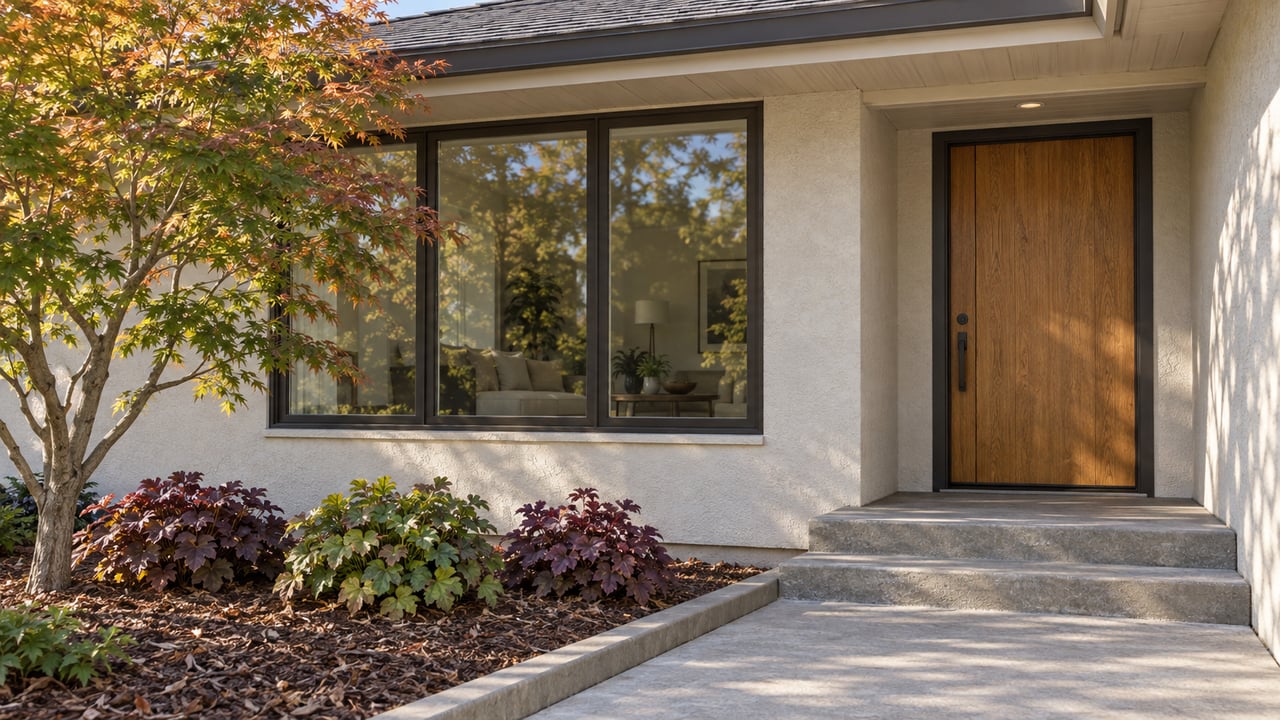
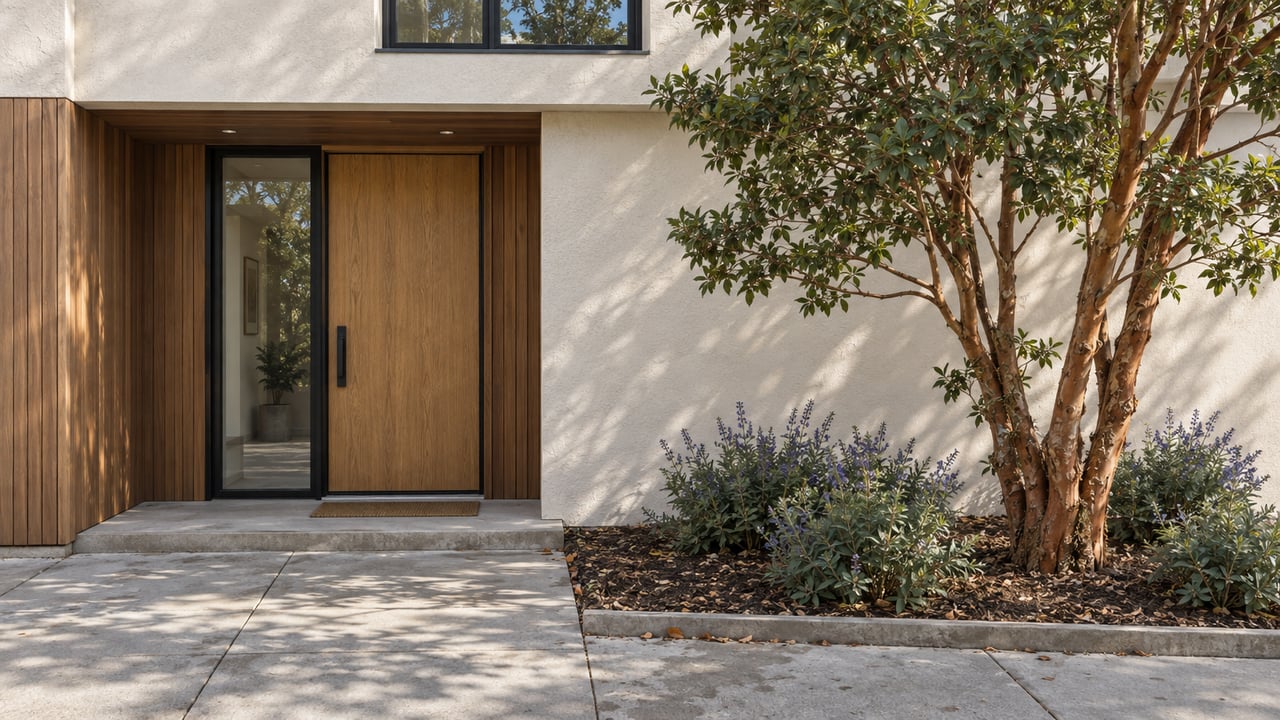
Because so much of Saratoga’s housing stock is older and detached, the lifestyle often feels rooted in privacy, space, and stability. Many buyers are drawn to that established character, especially if they prefer mature neighborhoods over newer high-density developments.
At the same time, older housing stock can mean that home condition, updates, and maintenance vary from property to property. If you are comparing homes here, it is worth paying close attention to the balance between original character and modern improvements.
Saratoga Home Prices
Saratoga sits at a very high price point, even by Bay Area standards. Recent market snapshots show a median listing price around $3.6 million, an average home value of about $4.2 million as of April 30, 2026, and median sale prices near $3.9 million to $4.1 million in March 2026.
The pace of the market also matters. Redfin reported homes selling in about 11 days on average and receiving around two offers, which suggests that well-positioned properties can move quickly.
For many buyers, this is the key tradeoff. Saratoga offers a scenic, quiet, amenity-rich residential setting, but the cost of entry is significantly higher than in many other parts of the region.
Who Saratoga May Be Right For
Saratoga may be a strong fit if you want a quieter residential environment, appreciate an established housing stock, and value access to parks, trails, cultural destinations, and a historic village center. It can also appeal if you want a small-town feel without leaving Santa Clara County.
It may be less ideal if you want a more urban lifestyle, a broad selection of attached homes, or a lower price point. In that case, Saratoga may still be worth exploring, but it is important to go in with clear expectations about inventory and cost.
What to Consider Before You Move
If you are seriously considering Saratoga, focus on a few practical questions:
- Do you want a quieter, more residential setting?
- Are you comfortable with a car-oriented daily routine?
- Does an established single-family home community fit your goals?
- Are Saratoga’s price levels realistic for your budget and long-term plans?
Those questions can help you quickly tell whether Saratoga is the right lifestyle match or simply an aspirational one.
Final Thoughts on Living in Saratoga
Saratoga offers a distinctive lifestyle within Santa Clara County. It feels quiet, established, and scenic, with a historic village core, meaningful outdoor access, and housing that is largely made up of detached homes.
For the right buyer, that combination can be very appealing. If you want help comparing Saratoga with other Bay Area communities or understanding how it fits your budget and goals, Jesse Kim can help you navigate the process with clear, calm local guidance.
FAQs
What is the overall lifestyle like in Saratoga, CA?
- Saratoga generally feels quiet, residential, and small-town in character, with city policies that support a calm environment and preserve its semi-rural feel.
What is Historic Saratoga Village like for daily life?
- Historic Saratoga Village is the town’s central activity area, with dining, shops, galleries, coffee houses, parks, and trails in a lower-scale historic setting.
What kinds of homes are most common in Saratoga?
- Saratoga housing is dominated by detached single-family homes, which made up 83.8% of the city’s housing stock in 2020.
What should buyers know about Saratoga home prices?
- Saratoga is one of the more expensive markets in the Bay Area, with recent reported home values and sale prices clustering around the high-$3 million to low-$4 million range.
Is Saratoga, CA, easy to commute from?
- Saratoga has access to State Route 85 and connections to I-280 and SR 17 through local roads, and VTA transit serves the area, but daily life tends to feel more car-oriented than transit-first.
What makes Saratoga appealing compared with other Silicon Valley communities?
- Many buyers are drawn to Saratoga for its quiet residential character, historic village, parks and trails, and established housing environment.