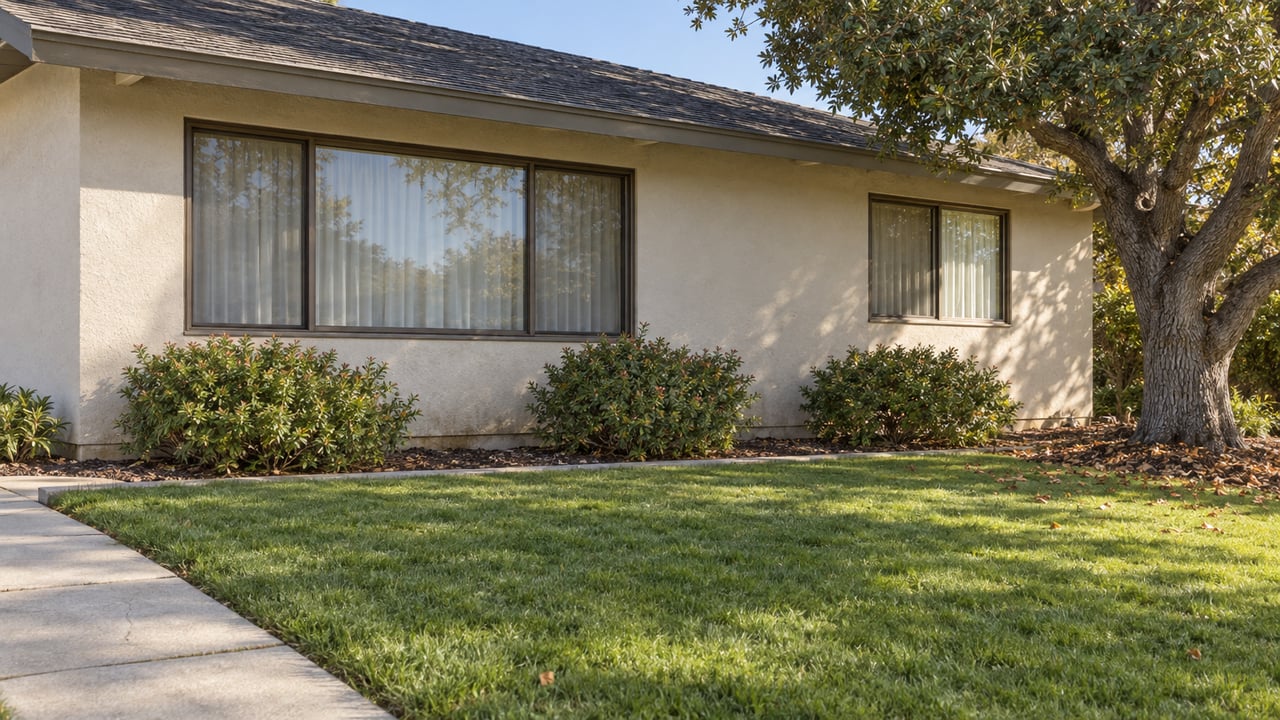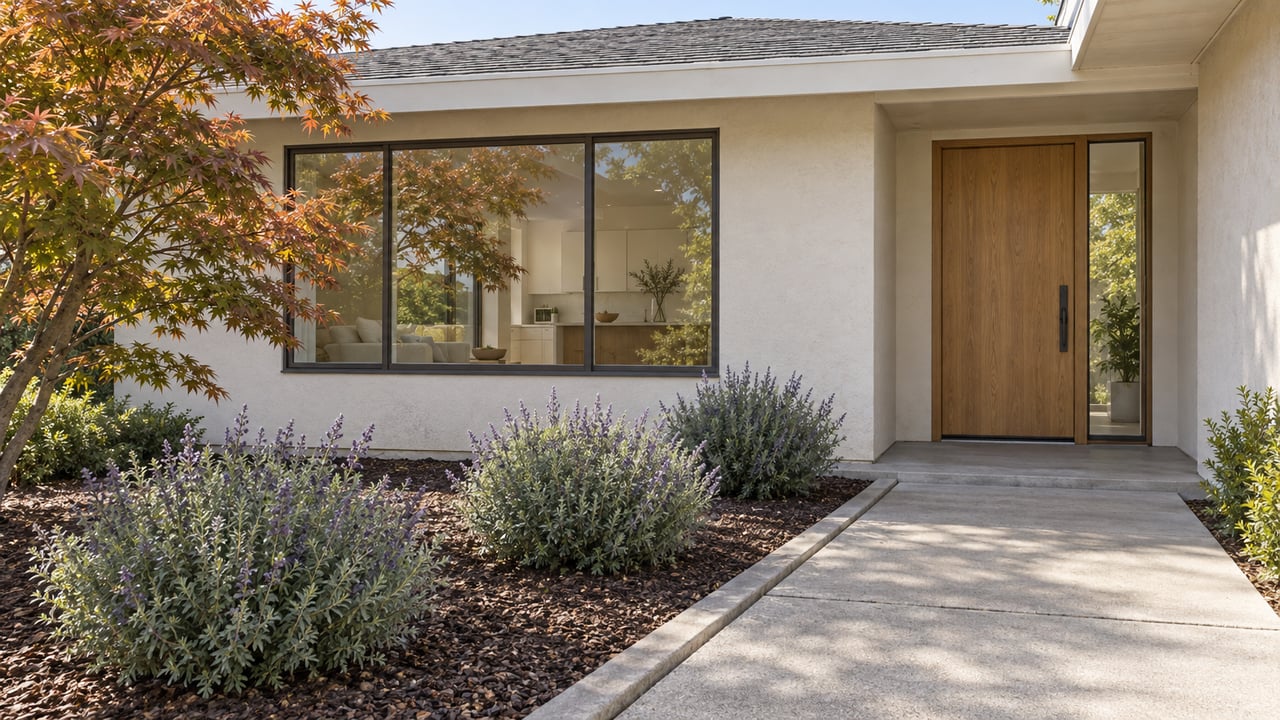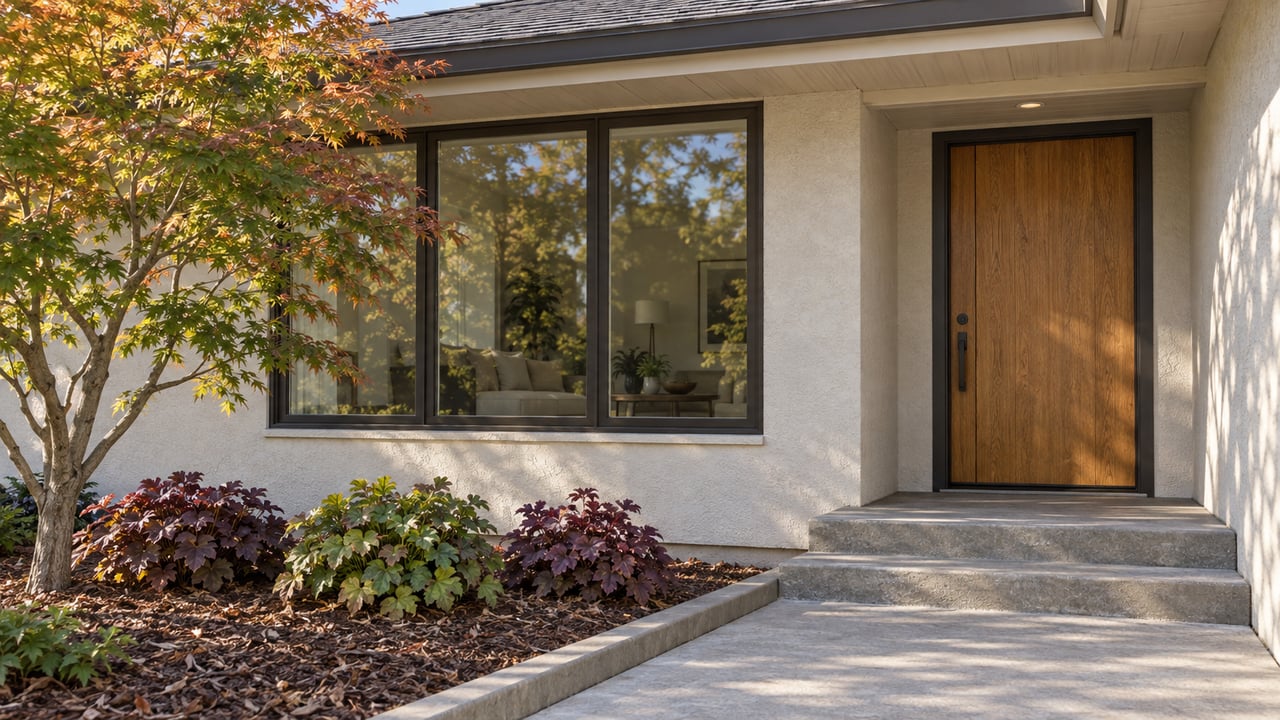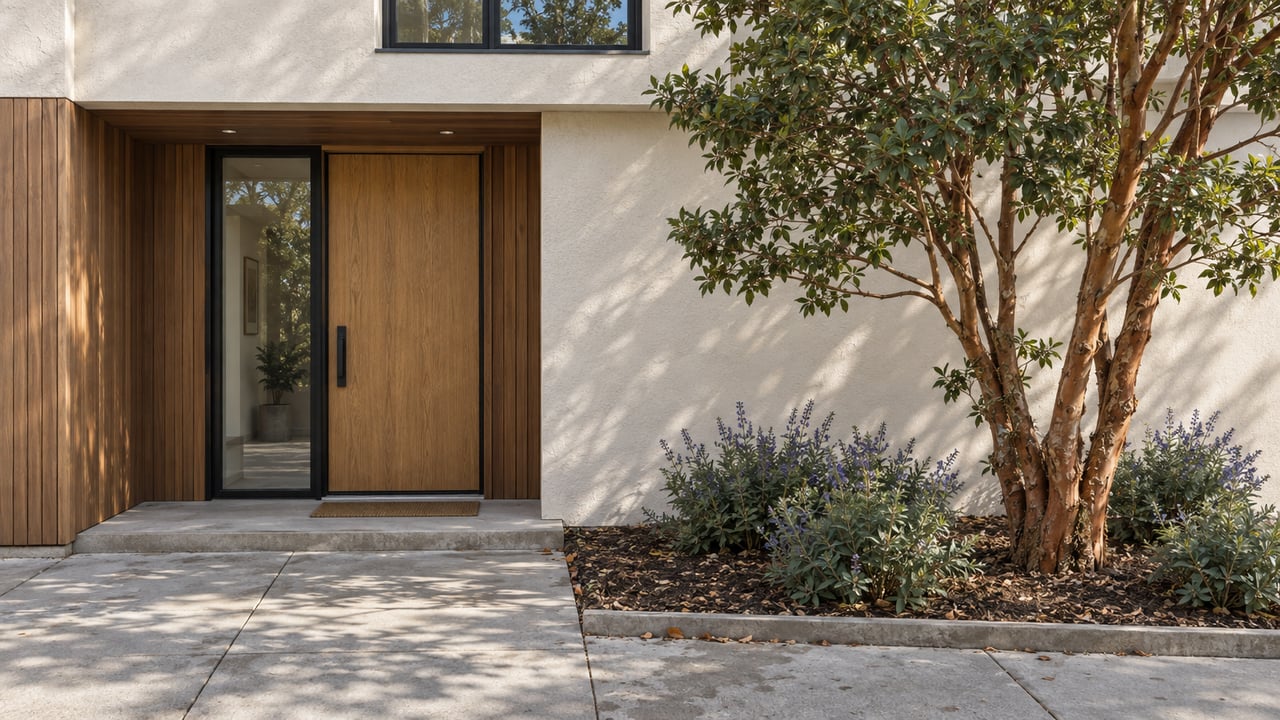
Ask a portal what a home costs in Foster City right now and you'll get a single number. Ask the multiple listing service the same question and it splits the answer into two, and the two don't behave anything alike.
In June 2026, single-family homes in Foster City sold at a median of $2,161,250 with just 1.9 months of inventory on the market, moving in a median of 14 days and closing at 103 percent of asking price. Attached homes, the condos and townhomes that make up a large share of the city's lagoon-front complexes, sold at a median of $1,227,500 with 28 active listings on the market at once, nearly three times the detached inventory, and took a median of 19 days to sell. One segment is tight enough that sellers are winning bidding wars. The other has enough supply sitting around that buyers have room to negotiate. Blend those two markets into a single citywide median, which is what most portal headlines do, and you get a number that describes neither one accurately.
That's the thing worth understanding before you start comparing Foster City to another Peninsula city on price alone. The city-wide figure isn't wrong, but it doesn't tell you which market you're actually shopping in; that depends on whether you're looking at a house or a unit in one of the city's older waterfront communities.
Why Even the Portals Disagree
If you've already been checking Zillow and Redfin side by side, you may have noticed they don't tell the same story. Zillow's average home value for Foster City sat at $1,861,130 as of June 30, 2026, down 1.0 percent over the prior year. Redfin, over the three months ending April 2026, reported a median sale price of $1.6 million, up 8.1 percent year over year, with homes selling in about 14 days on three offers on average.
One number is trending down. The other is trending up. Neither source is wrong. Zillow's figure is a model-based average across the entire housing stock, including homes that haven't sold recently. Redfin's is a median of homes that actually closed in a short recent window, and closed-sale medians swing hard when the mix of what sold changes month to month, a smaller detached home closing one month, a larger waterfront property the next. Neither number is built to separate detached homes from attached ones, which is exactly the split that matters most if you're deciding what your budget actually buys here.
The City Isn't One Neighborhood, and Neither Is Its Housing Stock
Foster City was built out as a set of distinct planned neighborhoods, not a single subdivision, and that history still shapes where each property type sits today. Treasure Isle occupies the center of the city. The Islands, a 174-unit condominium and townhome complex that wraps the central lagoon, won a 1976 Award of Excellence from Architectural Record for its design. Marina Point, out on the city's outer ring, is known locally as "The Ships" because its streets carry names like Niantic and Balclutha. Bay Vista holds the city's higher-end detached inventory.
The practical effect is that a lot of Foster City's attached housing, the condos and townhomes pulling that $685 median price per square foot, was built decades ago as part of these original lagoon-oriented communities. A lot of the detached housing, at $1,129 per square foot, sits on different ground entirely. When you compare "Foster City condos" to "Foster City houses," you're often comparing two different eras of construction in two different parts of town, not two versions of the same property in the same location. That's part of why the price-per-square-foot gap is as wide as it is, and why it isn't likely to close just because rates move or a few listings turn over.
The Cost the Median Never Shows You
Here's where the math gets more complicated than price per square foot. Most of Foster City's attached inventory sits inside a homeowners association, and HOAs collect regular dues to fund shared maintenance, insurance, and a reserve account for big-ticket repairs down the road. When that reserve account is underfunded and a major expense comes due, roofing, a seawall, a shared structure, the association can issue a special assessment: a one-time bill on top of your regular dues that can run into the thousands of dollars per owner.
Foster City has a real cluster of these associations along its lagoon-front communities. Marina Green, Spinnaker Cove, Isle Cove, Carmel Village, and Whalers Island are among the named HOAs governing the city's waterfront condo and townhome stock, each with its own dues schedule, its own reserve fund, and its own maintenance history. None of that shows up in the price-per-square-foot comparison. It shows up in the HOA disclosure documents, specifically the reserve study, which is the professional estimate of how much the association needs to have saved against what it's actually saved.
If you're pricing out the $685-per-square-foot option against the $1,129-per-square-foot option, the reserve study is the document that tells you whether that gap is real savings or a bill you haven't seen yet.
What This Means If You're Comparing Foster City to Somewhere Else
If you're cross-shopping Foster City against another South Bay or Peninsula city, the single median price is a reasonable starting point for a napkin comparison and nothing more. The real decision is which of Foster City's two markets you're actually buying into.
If you want the detached product, you're stepping into the tighter of the two markets: less inventory, faster sales, and homes closing above asking as of June 2026. That calls for financing that's ready to move and an offer strategy built for competition, not negotiation room. If the attached product fits your budget better, you're stepping into a market with more room to shop and more time to think, but the diligence shifts from "can I win this house" to "what does this HOA's balance sheet actually look like." Both are legitimate paths into the same city. They're just not the same transaction, and pricing them off one citywide median will leave you unprepared for whichever one you actually end up in.
A Few Questions Worth Asking Before You Compare
Why is the price per square foot so different between houses and condos here? Part of it is property type and part of it is history. A large share of Foster City's attached housing was built decades ago as part of the city's original lagoon-oriented planned communities, while much of the newer or larger detached inventory sits in different parts of town. Comparing the two on price per square foot alone skips over that difference in age, location, and construction era.
Is Foster City a buyer's market or a seller's market right now? As of June 2026, it depends which segment you mean. Detached homes were selling in a median of 14 days at 103 percent of list price with under two months of inventory, which reads as a seller's market. Attached homes had close to three times the active listings and took longer to sell, which gives buyers more room to negotiate.
What should I actually ask for before buying an attached home in Foster City? Request the HOA's reserve study and its most recent financial statements. That document will tell you whether the association has saved enough for its next major repair or whether a special assessment is a realistic possibility during your ownership.
If you're weighing Foster City against another Bay Area city and want the numbers broken down by the specific property type and neighborhood you're actually considering, that's a conversation worth having before you write an offer, not after. Jesse Kim can walk through what your budget buys in Foster City's current market, house by house and HOA by HOA. Let's Connect.
This article is general information, not legal, tax or financial advice. Consult a qualified professional about your situation.